Social Isolation in Seniors: The Hidden Health Crisis
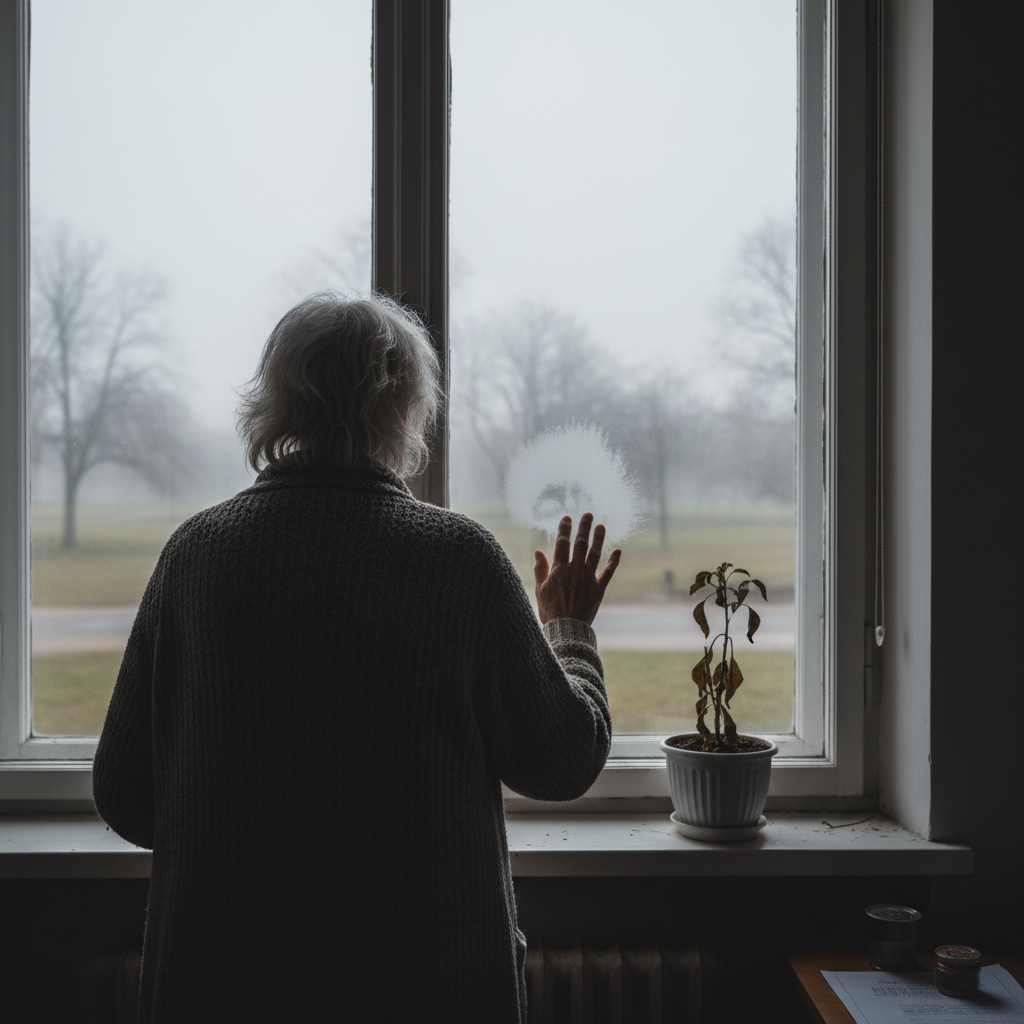
Social isolation in seniors has emerged as one of the most significant yet underrecognized public health challenges of our time. The U.S. Surgeon General's 2023 advisory on loneliness and isolation called it an epidemic, comparing its health impact to smoking 15 cigarettes per day. As the population ages and living arrangements shift, understanding the scope and consequences of senior social isolation — and what can be done about it — is more important than ever.
Understanding the Scope of Senior Isolation
The National Academies of Sciences, Engineering, and Medicine estimates that approximately 24 percent of community-dwelling adults aged 65 and older are socially isolated. Loneliness, a related but distinct concept referring to the subjective feeling of being alone, affects an even larger share. AARP's 2024 National Survey on Loneliness and Social Connections found that 37 percent of adults over 65 reported feeling lonely at least some of the time.
Several factors contribute to increased isolation risk among older adults:
- Loss of a spouse or close friends: Bereavement is one of the strongest predictors of social isolation in later life.
- Chronic illness and mobility limitations: Physical barriers make it difficult to participate in social activities.
- Retirement: Leaving the workforce eliminates a major source of daily social interaction.
- Geographic distance from family: Adult children increasingly live far from aging parents.
- Transportation barriers: Loss of driving ability dramatically reduces social engagement opportunities.
- Sensory impairments: Hearing and vision loss can make communication difficult and exhausting.
Rural seniors face compounded risks. The USDA Economic Research Service has documented that older adults in rural areas are more likely to live alone, have fewer community resources, and face longer distances to healthcare and social services.
The Health Consequences Are Severe
The medical evidence linking social isolation to adverse health outcomes is robust and growing. Research published in the journal Heart found that social isolation is associated with a 29 percent increase in the risk of coronary heart disease and a 32 percent increase in the risk of stroke. The mechanisms are both biological and behavioral.
On the biological side, chronic loneliness triggers sustained activation of the stress response system, elevating cortisol levels and promoting systemic inflammation. Dr. Steve Cole, a professor of medicine and psychiatry at UCLA, has demonstrated through decades of research that social isolation produces measurable changes in gene expression, upregulating inflammatory pathways and downregulating antiviral responses.
Behavioral pathways are equally concerning. Isolated seniors are more likely to be physically inactive, have poor nutrition, skip medical appointments, and engage in unhealthy coping mechanisms such as excessive alcohol consumption. A meta-analysis published in PLOS Medicine encompassing over 3.4 million participants found that social isolation increased the risk of premature death by 26 percent.
The Cognitive Dimension: Isolation and Dementia
Perhaps most alarming is the connection between social isolation and cognitive decline. A landmark study in the journal Neurology, tracking over 12,000 participants for a decade, found that socially isolated individuals had a 27 percent higher risk of developing dementia compared to those with robust social networks. This association held even after controlling for depression, physical activity, and other known risk factors.
The proposed mechanism centers on cognitive reserve — the brain's ability to maintain function despite damage. Social interaction provides continuous cognitive stimulation through conversation, emotional processing, and problem-solving. Without this stimulation, the brain may lose resilience more rapidly. The Global Council on Brain Health has identified social engagement as one of the most modifiable factors for maintaining cognitive health in aging.
Disproportionate Impact on Vulnerable Populations
Social isolation does not affect all seniors equally. Research consistently shows that certain groups face elevated risks:
- LGBTQ+ older adults: The SAGE organization reports that LGBTQ+ seniors are twice as likely to live alone and four times less likely to have children, reducing traditional support networks.
- Low-income seniors: Financial constraints limit access to transportation, technology, and social activities.
- Racial and ethnic minorities: Language barriers, discrimination, and culturally inappropriate services create additional obstacles to social connection.
- Seniors with disabilities: Physical and cognitive limitations may prevent participation in standard community programming.
The COVID-19 pandemic, while no longer an acute crisis, left lasting effects on senior social behavior. Many older adults who adopted isolating habits during lockdowns have not fully returned to pre-pandemic levels of social activity, creating what researchers at the University of Michigan have termed a "social recovery gap."
Evidence-Based Interventions and Solutions
Fortunately, a growing body of research points to effective interventions. The National Institute on Aging (NIA) has identified several evidence-based approaches:
- Senior center programming: Regular participation in senior center activities has been shown to reduce isolation and improve physical and mental health outcomes.
- Technology-based interventions: Video calling platforms, social media training, and AI companion devices can help bridge geographic and mobility gaps.
- Intergenerational programs: Initiatives pairing seniors with younger generations, such as foster grandparent programs, show consistent benefits for both groups.
- Community health worker outreach: Proactive outreach programs that identify and engage isolated seniors have proven effective, particularly in underserved communities.
- Group-based cognitive behavioral therapy: Programs addressing maladaptive social cognitions — such as the belief that one is a burden to others — have shown promising results in reducing loneliness.
The Veterans Affairs system has emerged as a leader in this space, implementing its Compassionate Contact Corps program that connects trained volunteers with isolated veterans for regular phone conversations. Early evaluation data shows a 20 percent reduction in self-reported loneliness among participants.
What Families and Communities Can Do
Addressing senior isolation requires action at multiple levels. For families, regular check-ins — whether in person, by phone, or through video calls — can make a meaningful difference. Helping older family members access and learn technology is also critical. At the community level, transportation services, inclusive programming, and neighborhood-based volunteer networks all play a role.
Social isolation in seniors is a hidden health crisis with consequences that rival many chronic diseases. But unlike many medical conditions, it is largely preventable and treatable through human connection, community investment, and thoughtful policy. Recognizing isolation as a health issue — not merely a social inconvenience — is the essential first step toward addressing it at the scale it demands.
Written by
More Posts
We Tried It: Are You Allergic to the Flu Shot? Here's How to Tell
Flu shot allergic reactions affect roughly 1.3 per million doses, yet many seniors skip vaccination out of fear. Here's how to identify a true allergy...
We Tried It: Are You Allergic to the Flu Shot? Here's How to Tell
A true allergic reaction to the flu shot affects fewer than 1.3 per million doses. Learn how to distinguish normal side effects from genuine allergy s...
We Tried It: Are You Allergic to the Flu Shot? Here's How to Tell
A true allergy to the flu shot affects fewer than 1.3 per million doses, yet many older adults skip vaccination out of fear. Here's what the research...
Be the first to comment