The Role of Nutrition in Preventing Alzheimer's: Latest Research
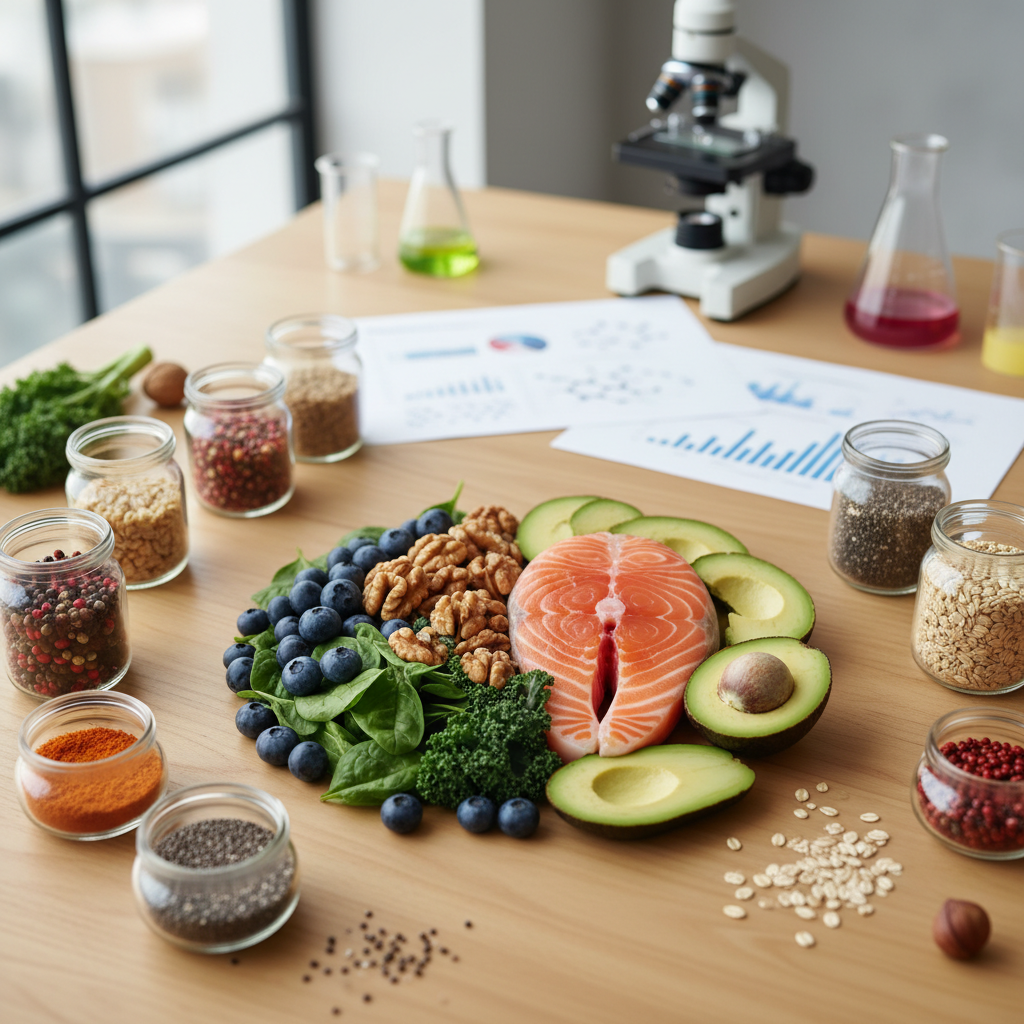
The role of nutrition in preventing Alzheimer's disease has become one of the most actively researched areas in neuroscience. With more than 6.9 million Americans currently living with Alzheimer's and no cure on the horizon, the latest research on dietary interventions offers a compelling — if still evolving — pathway for reducing risk. From the Mediterranean diet to targeted nutrient supplementation, scientists are uncovering how what we eat may protect the aging brain.
The MIND Diet: The Leading Dietary Framework
The MIND diet (Mediterranean-DASH Intervention for Neurodegenerative Delay) was developed by researchers at Rush University Medical Center specifically to target brain health. It combines elements of the Mediterranean and DASH diets, emphasizing foods linked to cognitive protection while limiting those associated with cognitive decline.
The MIND diet recommends 10 brain-healthy food groups: green leafy vegetables, other vegetables, nuts, berries, beans, whole grains, fish, poultry, olive oil, and wine in moderation. It discourages five food groups: red meat, butter and margarine, cheese, pastries and sweets, and fried or fast food.
The landmark MIND diet study, published in Alzheimer's and Dementia, followed 923 participants aged 58 to 98 over 4.5 years. Those with the highest adherence to the MIND diet had a 53 percent reduced risk of developing Alzheimer's disease. Remarkably, even moderate adherence was associated with a 35 percent risk reduction — suggesting that perfect compliance is not necessary for meaningful benefit.
A follow-up randomized controlled trial published in the New England Journal of Medicine in 2023 provided mixed results, with the intervention group showing trends toward cognitive protection but not reaching statistical significance over the three-year study period. Researchers noted that longer follow-up may be necessary to capture the diet's protective effects, which likely accumulate over decades rather than years.
Key Nutrients for Brain Protection
Omega-3 fatty acids. Found abundantly in fatty fish (salmon, mackerel, sardines), omega-3s — particularly DHA — are structural components of brain cell membranes and play critical roles in neuronal communication. A 2022 meta-analysis in the Journal of Alzheimer's Disease found that higher blood levels of omega-3 fatty acids were associated with a 20 percent lower risk of all-cause dementia. The Framingham Heart Study showed that participants with the highest DHA levels had a 47 percent lower risk of developing Alzheimer's over a nine-year period.
Antioxidants and polyphenols. Berries, particularly blueberries and strawberries, are rich in anthocyanins and other polyphenols that cross the blood-brain barrier and reduce oxidative stress and inflammation — two processes strongly implicated in Alzheimer's pathology. The Nurses' Health Study found that women who consumed two or more servings of blueberries or strawberries per week delayed cognitive aging by up to 2.5 years compared to those who rarely consumed berries.
B vitamins. Vitamins B6, B12, and folate are essential for regulating homocysteine, an amino acid that at elevated levels is associated with increased Alzheimer's risk. The VITACOG trial from the University of Oxford found that high-dose B vitamin supplementation reduced brain atrophy by 30 percent in older adults with elevated homocysteine — one of the most striking findings in nutritional neuroscience.
Vitamin D. Vitamin D deficiency is remarkably common in older adults, with some estimates suggesting that up to 70 percent of seniors have insufficient levels. A 2023 study in Alzheimer's and Dementia found that vitamin D supplementation was associated with a 40 percent lower incidence of dementia over a 10-year follow-up period. The mechanisms likely involve vitamin D's role in reducing neuroinflammation, clearing amyloid plaques, and supporting neurotransmitter synthesis.
The Gut-Brain Connection
Emerging research on the gut-brain axis has opened a new frontier in understanding nutrition's role in cognitive health. The gut microbiome — the trillions of bacteria residing in the digestive system — communicates with the brain through the vagus nerve, immune signaling, and metabolite production.
Studies published in Science Translational Medicine have shown that Alzheimer's patients have significantly different gut microbiome compositions compared to healthy controls, with reduced diversity and altered ratios of key bacterial species. These differences correlate with blood markers of neuroinflammation and amyloid deposition.
Dietary fiber, fermented foods, and probiotics support a healthy gut microbiome and may, by extension, support brain health. While direct clinical evidence linking probiotic supplementation to Alzheimer's prevention remains limited, the theoretical framework is compelling, and several large trials are currently underway.
What the Evidence Does Not Support
It is important to note what the evidence does not show. No single supplement or superfood has been proven to prevent Alzheimer's disease. The supplement industry often overstates the evidence for individual nutrients, and several high-profile studies have found no benefit from isolated supplements including vitamin E, ginkgo biloba, and curcumin when taken in pill form outside of a broader healthy dietary pattern.
The consensus among researchers is that dietary patterns — overall eating habits sustained over years and decades — matter far more than individual nutrients. The synergistic effects of whole foods, consumed as part of a balanced diet, appear to provide benefits that cannot be replicated by pills and capsules.
Practical Recommendations
Based on the current evidence, the following dietary strategies offer the strongest potential for brain protection. Adopt a Mediterranean or MIND dietary pattern as the foundation of your eating habits. Consume fatty fish at least twice per week for omega-3 intake. Eat berries, leafy greens, and colorful vegetables daily for antioxidant and polyphenol benefits. Maintain adequate B vitamin and vitamin D levels, supplementing if necessary based on blood test results. Include fiber-rich and fermented foods to support gut microbiome health. Limit processed foods, added sugars, and excessive saturated fat.
Frequently Asked Questions
Can diet alone prevent Alzheimer's disease?
Diet is one of several modifiable risk factors for Alzheimer's, alongside physical activity, sleep quality, cognitive stimulation, and social engagement. No single lifestyle factor can guarantee prevention, but a healthy diet combined with other protective behaviors significantly reduces risk.
Is it too late to change my diet if I am already in my 70s?
Research suggests that dietary improvements can benefit brain health at any age, though earlier adoption likely provides greater cumulative protection. Even moderate dietary changes in later life have been associated with cognitive benefits.
Should seniors take omega-3 supplements if they do not eat fish?
Fish oil or algae-based omega-3 supplements are a reasonable alternative for non-fish eaters, though whole food sources are generally preferred. Consult with a healthcare provider about appropriate dosing, especially if taking blood-thinning medications.
Conclusion
While a definitive dietary cure for Alzheimer's remains elusive, the evidence for nutrition as a protective factor is substantial and growing. The MIND diet, omega-3 fatty acids, antioxidant-rich fruits and vegetables, and a healthy gut microbiome represent our best current understanding of how food choices influence brain aging. For seniors and their families, adopting brain-healthy eating patterns is a practical, enjoyable, and evidence-supported strategy for reducing Alzheimer's risk — and one that delivers broad health benefits well beyond cognitive protection.
Written by
More Posts
We Tried It: Are You Allergic to the Flu Shot? Here's How to Tell
Flu shot allergic reactions affect roughly 1.3 per million doses, yet many seniors skip vaccination out of fear. Here's how to identify a true allergy...
We Tried It: Are You Allergic to the Flu Shot? Here's How to Tell
A true allergic reaction to the flu shot affects fewer than 1.3 per million doses. Learn how to distinguish normal side effects from genuine allergy s...
We Tried It: Are You Allergic to the Flu Shot? Here's How to Tell
A true allergy to the flu shot affects fewer than 1.3 per million doses, yet many older adults skip vaccination out of fear. Here's what the research...
Be the first to comment