Nursing Home Staffing Crisis: Causes, Impact, and Solutions
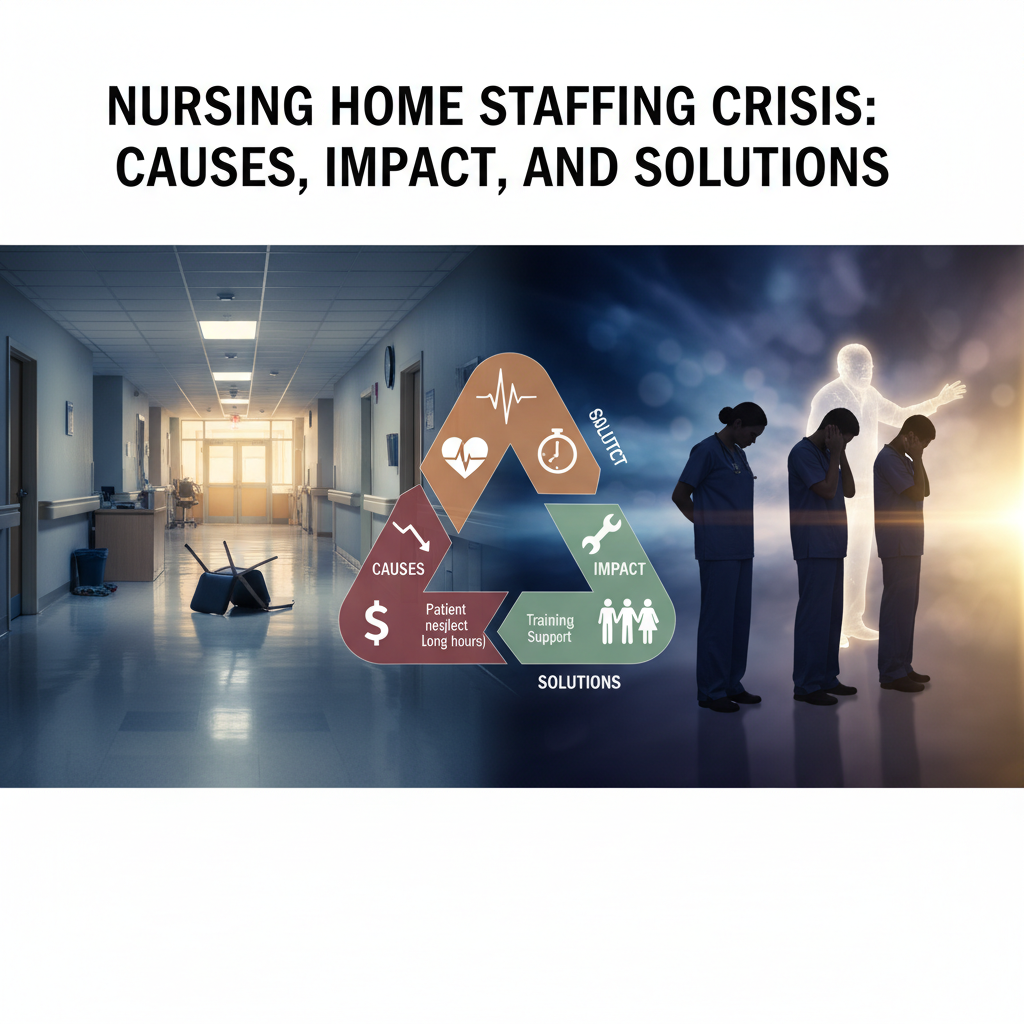
The nursing home staffing crisis has reached a tipping point. With vacancy rates exceeding 25 percent nationwide and facilities across the country reducing admissions or closing entirely, the shortage of qualified caregivers is directly threatening the quality of life for millions of America's most vulnerable seniors. Understanding the causes, measuring the impact, and identifying workable solutions has never been more urgent.
The Scale of the Crisis
The American Health Care Association (AHCA) reports that nursing homes have lost more than 235,000 workers since the beginning of the COVID-19 pandemic, and recovery has been painfully slow. As of early 2026, the sector remains approximately 14 percent below pre-pandemic staffing levels — a deficit that translates to roughly 200,000 unfilled positions nationwide.
The crisis is not evenly distributed. Rural facilities, which already struggled with recruitment before the pandemic, face vacancy rates as high as 40 percent in some regions. Small, independent nursing homes without the recruiting budgets of large chains are disproportionately affected, and many have been forced to reduce bed capacity or close altogether. The Centers for Medicare and Medicaid Services (CMS) has documented a net loss of more than 500 nursing home facilities since 2020.
Root Causes: Why Workers Are Leaving
The staffing crisis is driven by a convergence of longstanding structural problems that the pandemic exposed and accelerated.
Compensation gaps. Certified nursing assistants (CNAs), who provide the majority of direct patient care in nursing homes, earn a median wage of approximately $16.50 per hour, according to the Bureau of Labor Statistics. This is less than many retail and fast-food positions, which offer comparable or higher pay without the physical and emotional demands of caregiving. Licensed practical nurses (LPNs) in nursing homes earn roughly 15 to 20 percent less than their counterparts in hospitals.
Physical and emotional toll. Nursing home work is among the most physically demanding and emotionally taxing in healthcare. Workers routinely lift, reposition, and transfer patients multiple times per shift, leading to one of the highest injury rates of any occupation. The emotional burden of caring for dying patients, combined with chronic understaffing that increases individual workload, drives burnout and turnover.
Limited career advancement. Many nursing home workers see limited opportunities for professional growth within the long-term care sector. Without clear pathways for career progression, ambitious workers leave for hospital settings or different industries entirely.
Pandemic trauma. Nursing homes were devastated by COVID-19, with workers facing extreme infection risk, mandatory overtime, and the emotional weight of watching residents die in isolation. Many workers who stayed through the worst of the pandemic report lasting trauma and moral injury.
Impact on Resident Care
The consequences of understaffing are severe and well-documented. Research published in the Journal of the American Medical Directors Association found that facilities with staffing levels below federal minimums experience 22 percent higher rates of pressure ulcers, 18 percent more falls, and 15 percent higher rates of urinary tract infections compared to adequately staffed facilities.
Beyond clinical outcomes, understaffing degrades the daily experience of residents. Meals are delayed, bathing schedules are reduced, call lights go unanswered for extended periods, and the social interaction that is essential for mental health becomes a luxury rather than a standard of care. The National Consumer Voice for Quality Long-Term Care has documented a significant increase in resident and family complaints related to staffing-driven care deficiencies since 2020.
The human cost extends to remaining staff as well. Workers who stay in understaffed facilities face unsustainable workloads, leading to higher error rates, increased injury risk, and accelerated burnout — creating a vicious cycle where understaffing drives further turnover.
Federal Staffing Standards: The Debate
In 2024, CMS finalized a rule establishing the first federal minimum staffing standards for nursing homes, requiring facilities to provide a minimum of 3.48 hours of nursing care per resident per day. The rule has been a lightning rod for debate across the industry.
Advocates argue that enforceable minimums are essential for protecting residents and that voluntary compliance has failed. Dr. David Grabowski, professor of health care policy at Harvard Medical School, has noted that "the evidence clearly shows that higher staffing leads to better outcomes, and the absence of federal standards has allowed some facilities to operate at dangerously low levels."
Industry groups counter that mandating staffing levels without addressing the underlying workforce shortage creates an impossible compliance burden. The AHCA has estimated that meeting the new standards would require hiring an additional 100,000 workers — workers who simply do not exist in the current labor market. Many facilities, particularly in rural areas, argue that they will face regulatory penalties not because they choose to understaff but because they cannot find workers at any wage.
Solutions Gaining Traction
Wage competitiveness. Several states have enacted legislation directing Medicaid rate increases specifically to worker wages. New York's Fair Pay for Home Care Act and similar measures in California and Massachusetts are showing early results in reducing turnover, though implementation challenges remain.
Career ladder programs. Innovative facilities are creating structured career pathways that allow CNAs to progress to LPN and RN roles with employer-supported education. Programs like the CNA Apprenticeship Initiative, supported by the Department of Labor, provide paid training and guaranteed employment upon completion.
International recruitment. With domestic supply insufficient to meet demand, many facilities are turning to international recruitment, particularly from the Philippines, Nigeria, and Caribbean nations with strong nursing education traditions. However, immigration processing delays and credential verification requirements create significant lead times.
Technology augmentation. While technology cannot replace human caregivers, it can extend their capacity. Sensor-based monitoring systems can reduce the need for manual check rounds, automated medication dispensing reduces nursing time spent on medication administration, and electronic health records streamline documentation. These tools allow existing staff to focus more time on direct patient care.
Workplace culture transformation. Leading facilities are investing in worker well-being through mental health support, flexible scheduling, childcare assistance, and employee recognition programs. Research from the LeadingAge organization shows that facilities with strong workplace cultures have turnover rates 30 percent lower than the industry average.
Frequently Asked Questions
How can families assess staffing levels at a nursing home?
Medicare's Care Compare website (medicare.gov/care-compare) publishes staffing data for every certified nursing home. Look for facilities that consistently meet or exceed the national average of 3.6 total nursing hours per resident day. Also visit at different times and observe staff responsiveness firsthand.
What should families do if they suspect understaffing is affecting care?
Document specific incidents, communicate concerns to facility administration in writing, contact your state's long-term care ombudsman program, and file complaints with your state health department if issues persist.
Will the staffing crisis lead to more nursing home closures?
Analysts project that consolidation will continue, with smaller and rural facilities most vulnerable. However, demand for nursing home care will also increase, creating pressure to maintain and expand capacity. The outcome will depend largely on policy decisions around Medicaid funding and workforce development investment.
Conclusion
The nursing home staffing crisis demands urgent, multi-pronged action. No single solution — whether higher wages, immigration reform, technology, or regulation — will resolve the problem in isolation. What is needed is a coordinated national strategy that treats long-term care workforce development as the public health priority it has become. The well-being of more than 1.2 million nursing home residents and the hundreds of thousands of workers who care for them depends on the choices policymakers, providers, and communities make in the years ahead.
Written by
More Posts
We Tried It: Are You Allergic to the Flu Shot? Here's How to Tell
Flu shot allergic reactions affect roughly 1.3 per million doses, yet many seniors skip vaccination out of fear. Here's how to identify a true allergy...
We Tried It: Are You Allergic to the Flu Shot? Here's How to Tell
A true allergic reaction to the flu shot affects fewer than 1.3 per million doses. Learn how to distinguish normal side effects from genuine allergy s...
We Tried It: Are You Allergic to the Flu Shot? Here's How to Tell
A true allergy to the flu shot affects fewer than 1.3 per million doses, yet many older adults skip vaccination out of fear. Here's what the research...
Be the first to comment