Intergenerational Programs: How Connecting Seniors and Youth Benefits Both
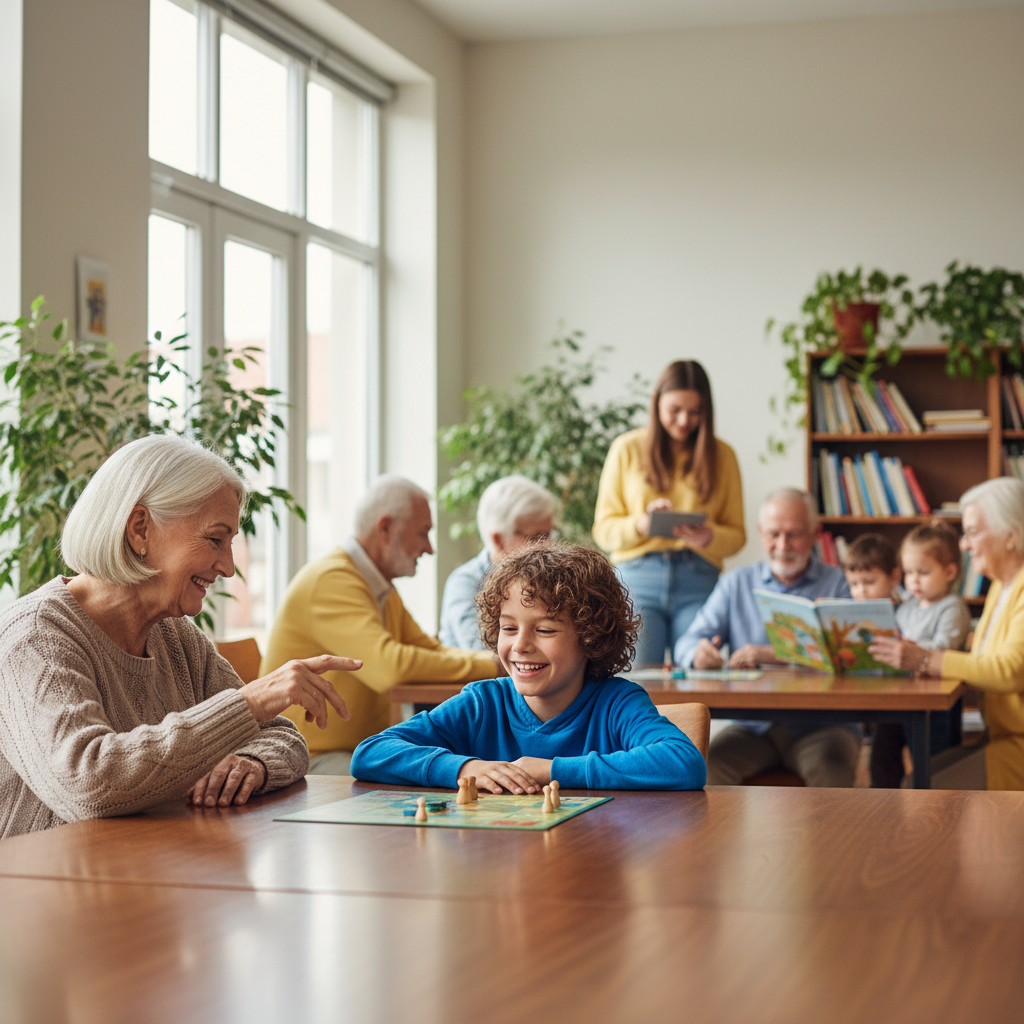
Intergenerational programs that connect seniors and youth are proving to be far more than heartwarming social experiments. A growing body of research shows that structured interactions between older adults and younger generations produce measurable health, cognitive, and social benefits for both groups. As age-segregated living becomes increasingly common, these programs offer a powerful antidote to the isolation that affects seniors and the lack of mentorship that many young people experience.
The Problem of Age Segregation
Modern society has become remarkably age-segregated. Seniors live in retirement communities, children attend age-specific schools, and workplaces increasingly cater to specific generational cohorts. According to Stanford University's Center on Longevity, the average American over 60 spends less than one hour per week interacting with someone under 30 outside of family relationships.
This separation has consequences for both ends of the age spectrum. Seniors experience higher rates of loneliness and social isolation — conditions that the National Academies of Sciences have linked to increased mortality risk comparable to smoking 15 cigarettes per day. Young people, meanwhile, lose access to the wisdom, perspective, and mentorship that older adults can provide, and often develop ageist attitudes based on limited real-world exposure to older people.
Evidence of Mutual Benefit
The research on intergenerational programs is remarkably consistent in documenting benefits for both age groups.
For seniors. A landmark study by Dr. Michelle Carlson at Johns Hopkins University found that older adults who volunteered in elementary schools through the Experience Corps program showed measurable improvements in memory, executive function, and physical activity levels. Brain imaging revealed increased activity in regions associated with cognitive control — suggesting that the mental stimulation of working with children actually strengthened neural pathways.
Additional research has documented reduced depression symptoms, increased sense of purpose, improved physical function, and enhanced social networks among seniors participating in intergenerational programs. A 2024 meta-analysis in The Gerontologist reviewed 42 studies and found that intergenerational contact reduced loneliness in older adults by an average of 23 percent.
For youth. Children and teenagers who participate in intergenerational programs show improved academic performance, enhanced social skills, more positive attitudes toward aging, and greater empathy and emotional intelligence. A study from Generations United found that young people in intergenerational mentoring programs were 46 percent less likely to begin using drugs and 27 percent less likely to begin drinking alcohol.
For college-age participants, intergenerational experiences often spark interest in healthcare and social work careers, helping to address the critical workforce shortage in geriatric care.
Successful Program Models
Shared-site programs. Perhaps the most innovative model co-locates senior care facilities with childcare centers or schools. ONEgeneration in Los Angeles, Providence Mount St. Vincent in Seattle, and the Bridge Meadows community in Portland bring seniors and children together daily in shared spaces. Participants engage in activities ranging from art projects and music to gardening and storytelling.
The results at shared sites are striking. Seniors show increased daily activity, improved appetite, and reduced need for anxiety and sleep medications. Children demonstrate advanced social skills and empathy compared to peers in traditional settings.
Mentoring and tutoring programs. AARP's Experience Corps places adults 50 and older in high-need elementary schools as tutors and mentors. The program serves more than 30,000 students annually across 22 cities. Rigorous evaluation by MDRC found that Experience Corps tutors produced significant improvements in student reading scores, with the largest gains among the lowest-performing students.
Technology bridge programs. Programs that pair tech-savvy teenagers with seniors who want to learn digital skills have become increasingly popular. Cyber-Seniors, a nationally recognized program, trains young volunteers to teach older adults how to use smartphones, tablets, social media, and video calling. The interactions build digital literacy for seniors while developing patience, teaching skills, and leadership in youth.
Arts and storytelling initiatives. TimeSlips, founded by Dr. Anne Basting at the University of Wisconsin-Milwaukee, uses creative storytelling to connect youth with seniors living with dementia. Rather than relying on memory-based conversation, the program invites participants to create new stories together, unlocking creativity and connection that transcends cognitive limitations.
Overcoming Barriers to Implementation
Despite their benefits, intergenerational programs face several implementation challenges. Regulatory barriers, such as different licensing requirements for childcare and adult care facilities, can complicate shared-site models. Liability concerns make some organizations cautious about mixing age groups. Funding is often fragmented, coming from separate aging and youth services budgets that do not naturally collaborate.
Successful programs address these barriers through careful planning, strong community partnerships, and evidence-based advocacy. Generations United, the leading national organization promoting intergenerational strategies, provides toolkits, policy recommendations, and technical assistance to communities interested in developing programs.
The Policy Landscape
Federal support for intergenerational programs has grown in recent years. The Older Americans Act reauthorization includes provisions for intergenerational activities, and the Corporation for National and Community Service funds programs like Senior Corps that facilitate cross-generational volunteer service. Several states have passed legislation supporting intergenerational shared-site facilities, reducing regulatory barriers that previously prevented co-location.
Frequently Asked Questions
Are intergenerational programs safe for seniors with dementia?
Yes, when properly designed and supervised. Programs like TimeSlips are specifically designed for participants with cognitive impairment. The key is focusing on activities that do not depend on memory or cognitive function, such as creative expression, music, and sensory experiences.
How can communities start an intergenerational program?
Begin by identifying existing senior and youth-serving organizations willing to collaborate. Generations United provides free resources and planning guides. Start small with a pilot program, document outcomes, and build on successes to secure ongoing support and funding.
Do intergenerational programs reduce ageism?
Research consistently shows that positive, structured intergenerational contact significantly reduces ageist attitudes in young people. A study in the Journal of Social Issues found that youth who participated in intergenerational programs held more positive views of aging and were more willing to work with or care for older adults.
Conclusion
Intergenerational programs represent one of the most promising and underutilized strategies for improving the well-being of both seniors and youth. The evidence is clear: when generations connect through meaningful shared activities, both sides benefit in measurable, lasting ways. As our society grapples with the challenges of an aging population and the mental health crisis among young people, programs that bridge the generational divide offer solutions that address both challenges simultaneously. The question is not whether these programs work — the research has answered that decisively — but how quickly communities can scale them to meet the need.
Written by
More Posts
We Tried It: Are You Allergic to the Flu Shot? Here's How to Tell
Flu shot allergic reactions affect roughly 1.3 per million doses, yet many seniors skip vaccination out of fear. Here's how to identify a true allergy...
We Tried It: Are You Allergic to the Flu Shot? Here's How to Tell
A true allergic reaction to the flu shot affects fewer than 1.3 per million doses. Learn how to distinguish normal side effects from genuine allergy s...
We Tried It: Are You Allergic to the Flu Shot? Here's How to Tell
A true allergy to the flu shot affects fewer than 1.3 per million doses, yet many older adults skip vaccination out of fear. Here's what the research...
Be the first to comment