Best Wearable Health Tech for Seniors in 2026
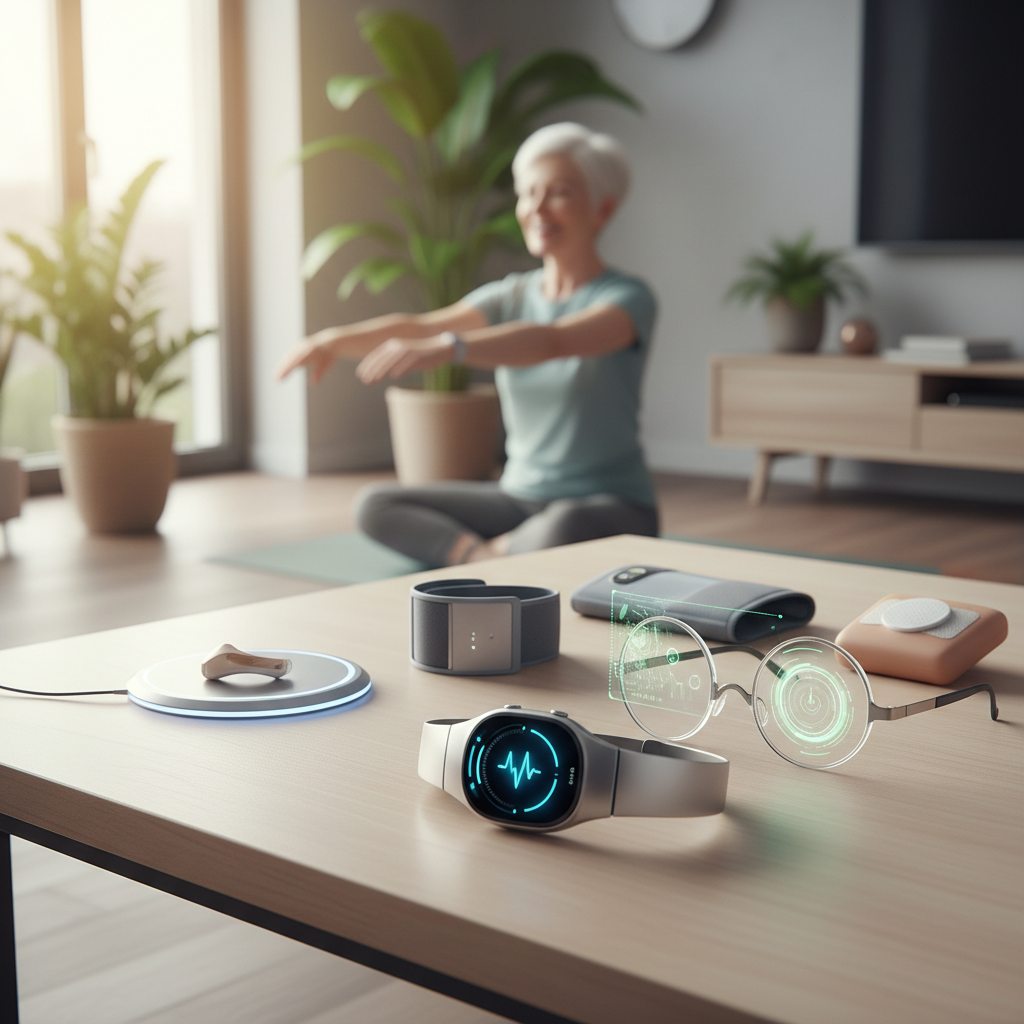
Wearable health tech for seniors has evolved dramatically over the past few years, giving older adults the tools to monitor their well-being, stay active, and maintain independence at home. From smartwatches that track heart rate and blood oxygen to mobility aids with built-in safety alerts, the right devices can make a meaningful difference in daily life. In this roundup, we review the best wearable health tech for seniors available in 2026.
Why Wearable Health Tech Matters for Seniors
As we age, health monitoring becomes increasingly important. Chronic conditions such as hypertension, diabetes, and heart disease require consistent tracking, and wearable technology makes it possible to do so without constant visits to a clinic. These devices provide real-time data that can be shared with healthcare providers, enabling faster intervention when something goes wrong.
Beyond monitoring, wearable health tech also promotes physical activity and mental engagement. Step counters, movement reminders, and posture aids encourage seniors to stay mobile, which is one of the most effective ways to prevent falls, maintain muscle mass, and improve cardiovascular health. For family members and caregivers, these devices also provide peace of mind, knowing their loved ones have access to emergency alerts and location tracking.
The market has matured considerably, and today's devices are easier to use, more affordable, and more accurate than ever before. Whether your goal is fall prevention, chronic condition management, or simply staying active, there is a wearable solution that fits.
Our Top Picks
1. Smart Health Monitoring on Your Wrist
Health Monitor Bluetooth Smart Watch
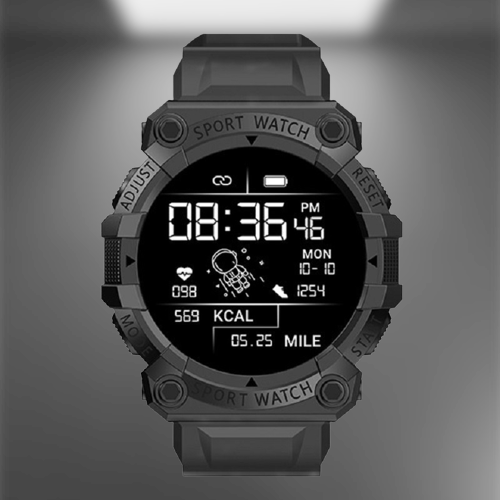
The Health Monitor Bluetooth Smart Watch is an excellent entry point for seniors looking to track their health metrics without the complexity of a full medical device. It monitors heart rate, blood pressure, and blood oxygen levels throughout the day, providing easy-to-read data on a bright, legible display. Bluetooth connectivity allows the watch to sync with a smartphone app, making it simple to share reports with doctors or family members.
What makes this watch particularly well-suited for older adults is its simplicity. The interface is intuitive, with large icons and minimal navigation required. It also includes sedentary reminders and sleep tracking, both of which are important for maintaining a healthy routine. At its price point, it offers remarkable value compared to premium smartwatches that pack in features most seniors will never use.
2. Walking Safety with Built-In Alerts
Safety Alarm Walking Telescopic LED Light Cane
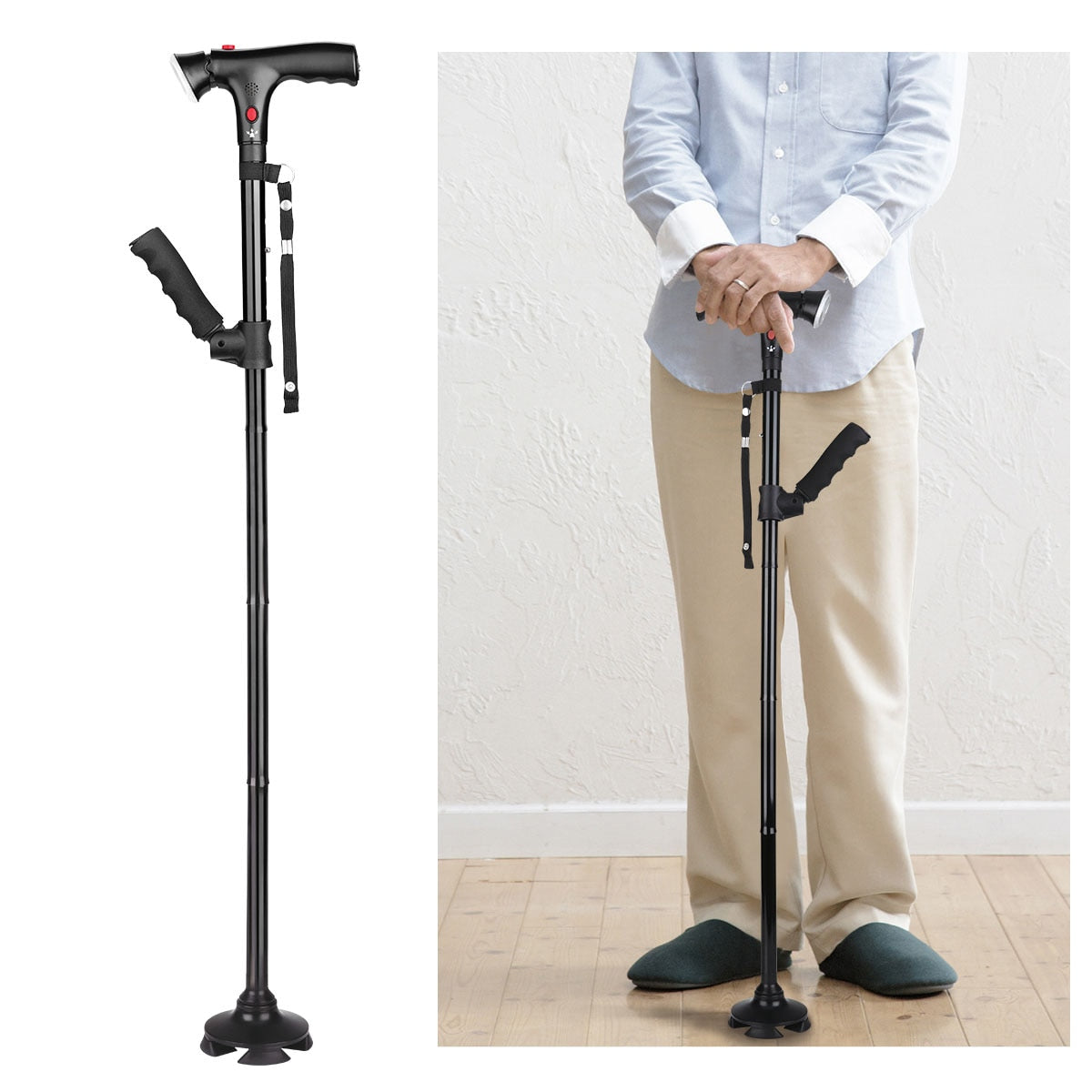
The Safety Alarm Walking Telescopic LED Light Cane combines two essential functions into one device: a sturdy walking cane and a personal safety alarm. The built-in LED light illuminates pathways during evening walks or in dimly lit hallways, reducing the risk of trips and falls. When the alarm is activated, it emits a loud sound that can alert nearby people in case of an emergency.
This is a wearable in the broadest sense, as it is a device that goes everywhere with the user. For seniors who rely on a cane for daily mobility, having an integrated safety alarm eliminates the need to carry a separate personal alarm device. The telescopic design allows for height adjustment, ensuring proper posture and ergonomic use regardless of the user's height.
3. Targeted Knee Support for Active Seniors
Adjustable Knee Brace Support Compression Stabilizer
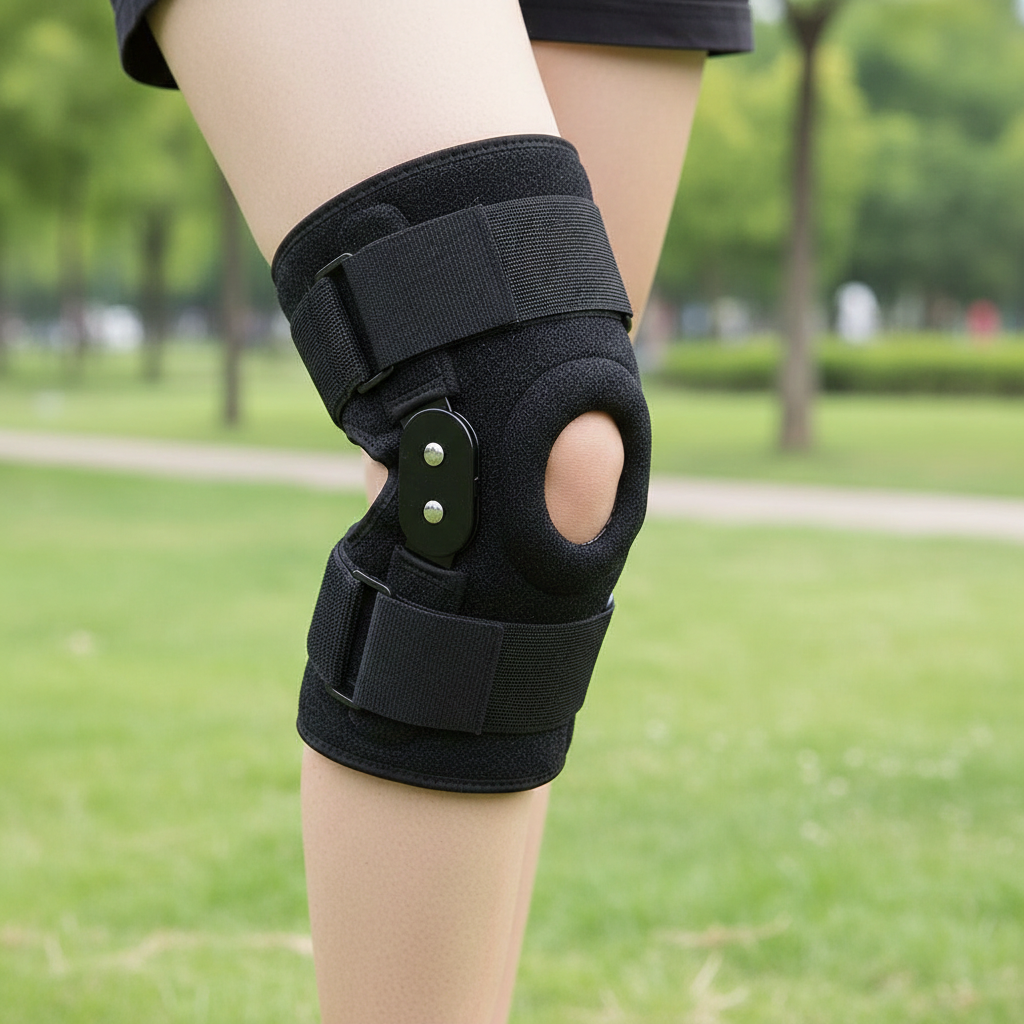
The Adjustable Knee Brace Support Compression Stabilizer is designed for seniors who want to stay active despite knee pain or instability. The compression stabilizer provides firm support to the joint, reducing strain during walking, climbing stairs, or light exercise. Adjustable straps allow the wearer to customize the level of compression, which is important because every knee condition is different.
For seniors recovering from surgery or managing arthritis, a quality knee brace can be the difference between staying sedentary and maintaining an active lifestyle. This model is lightweight, breathable, and easy to put on and remove without assistance, which are critical considerations for older adults with limited dexterity.
4. Enhanced Stability for Daily Walking
Strong Stepper Adjustable Elderly Walker Cane
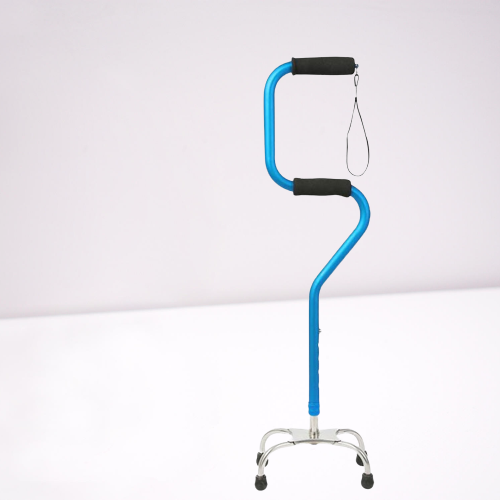
The Strong Stepper Adjustable Elderly Walker Cane is more than a standard walking aid. Its adjustable design accommodates different terrains and walking speeds, providing stable support whether the user is navigating a flat sidewalk or an uneven garden path. The stepper mechanism adds a layer of mechanical assistance that reduces the effort needed with each step.
This cane is particularly useful for seniors who are rebuilding strength after a fall or surgery. The ergonomic grip reduces hand fatigue, and the base provides a wider footprint for added stability. It is a practical investment for anyone who needs more support than a standard cane offers but is not ready for a full walker.
5. Heat Therapy for On-the-Go Pain Relief
Electric Heat Therapy Lumbar Support Belt
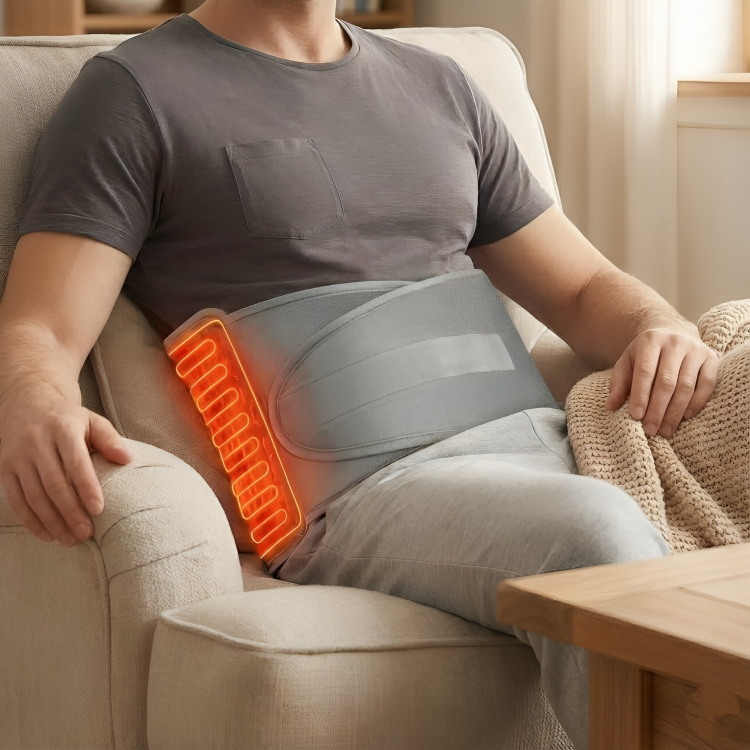
The Electric Heat Therapy Lumbar Support Belt is a wearable pain relief device that delivers consistent heat therapy directly to the lower back. It wraps securely around the lumbar region and can be worn under or over clothing, making it suitable for use at home, during errands, or while traveling. The electric heating element provides adjustable temperature settings for personalized comfort.
Chronic lower back pain is one of the most common complaints among older adults, and heat therapy is a well-established, drug-free method of managing it. This belt eliminates the need for hot water bottles or microwaveable pads, offering a more convenient and consistent heat source. It is especially valuable for seniors who prefer to avoid or reduce their use of pain medications.
How to Choose the Right Wearable Health Tech
Selecting the right wearable depends on your specific health needs and daily routine. Here are some practical guidelines to help you decide:
- Identify your primary health concern. If you need to monitor vital signs, a smartwatch is the best starting point. If fall prevention is your priority, focus on mobility aids with safety features.
- Consider ease of use. Devices with large displays, simple interfaces, and minimal setup are ideal for seniors who are not comfortable with complex technology.
- Check battery life. A device that needs daily charging may be impractical. Look for products with multi-day battery life or simple charging mechanisms.
- Think about connectivity. Bluetooth-enabled devices that sync with a phone app make it easy to share health data with family members and doctors.
- Prioritize comfort. Any wearable that is uncomfortable will not be used consistently. Look for lightweight, breathable materials and adjustable sizing.
Frequently Asked Questions
Are smartwatches accurate enough for health monitoring?
Consumer-grade smartwatches are generally accurate for tracking trends in heart rate, sleep patterns, and activity levels. However, they are not medical devices and should not replace professional diagnostic equipment. They are best used as supplementary tools that help identify changes in your health over time.
Can wearable devices help prevent falls?
Yes. Devices like safety alarm canes, knee braces, and stability-enhancing walkers directly address fall risk by providing physical support and emergency alert capabilities. Smartwatches with fall detection can also automatically notify emergency contacts when a fall is detected.
How do I share health data from a wearable with my doctor?
Most Bluetooth-enabled health wearables come with a companion smartphone app that records and stores your data. You can show the app to your doctor during appointments, or many apps allow you to export reports as PDFs that can be emailed or printed.
Are these products covered by Medicare or insurance?
Coverage varies by product and insurance plan. Medical-grade devices prescribed by a doctor may be partially covered, but consumer wearables and mobility aids purchased independently are typically out-of-pocket expenses. Check with your insurance provider for specific coverage details.
Wearable health technology empowers seniors to take an active role in managing their health and safety. Whether you are looking for vital sign monitoring, mobility support, or pain relief, the products in this roundup offer practical solutions at accessible price points. Explore the options and find the combination that best supports your lifestyle.
Written by
More Posts
We Tried It: Are You Allergic to the Flu Shot? Here's How to Tell
Flu shot allergic reactions affect roughly 1.3 per million doses, yet many seniors skip vaccination out of fear. Here's how to identify a true allergy...
We Tried It: Are You Allergic to the Flu Shot? Here's How to Tell
A true allergic reaction to the flu shot affects fewer than 1.3 per million doses. Learn how to distinguish normal side effects from genuine allergy s...
We Tried It: Are You Allergic to the Flu Shot? Here's How to Tell
A true allergy to the flu shot affects fewer than 1.3 per million doses, yet many older adults skip vaccination out of fear. Here's what the research...
Be the first to comment