Telehealth for Seniors: Benefits, Barriers, and Best Practices
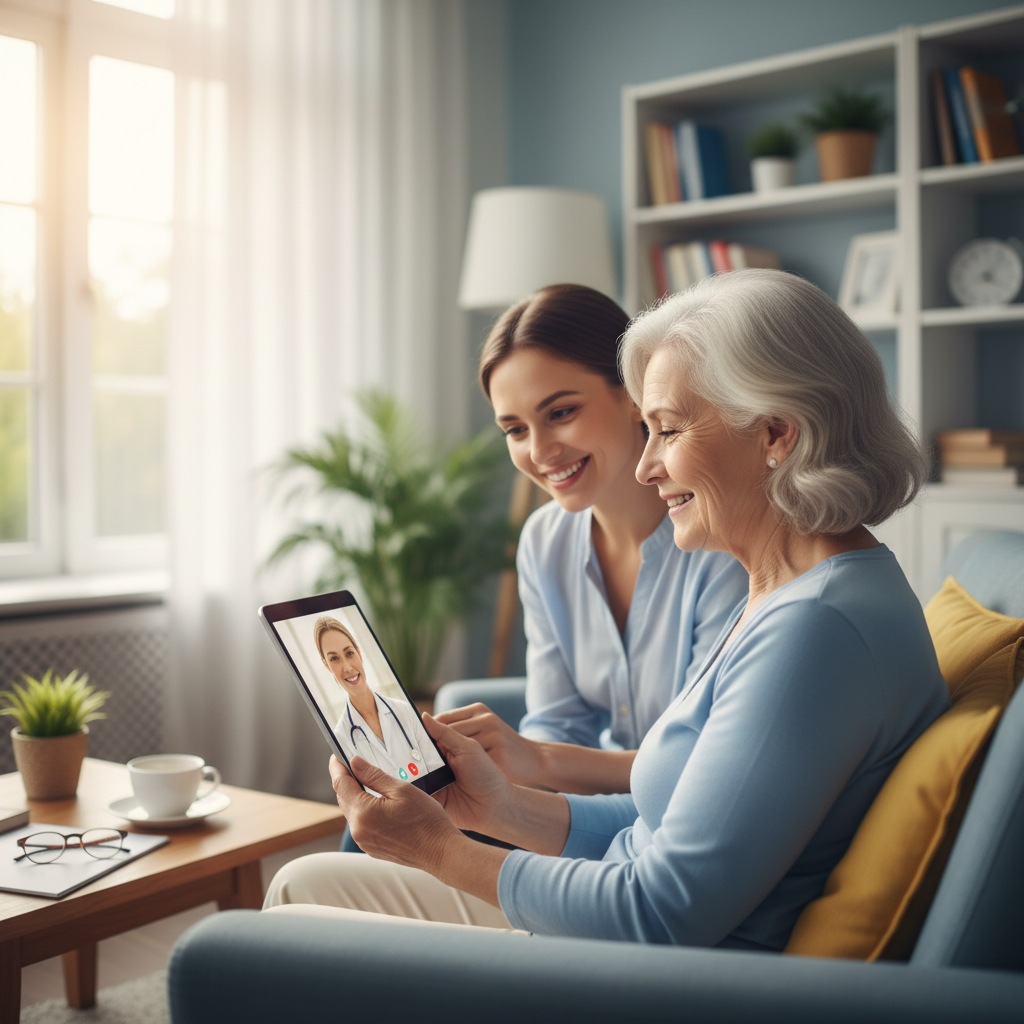
Telehealth for seniors has evolved from an emergency measure during the COVID-19 pandemic into a permanent fixture of the American healthcare system. The AARP Public Policy Institute reports that telehealth use among adults aged 65 and older increased by 340 percent between 2019 and 2024, and while utilization has stabilized, it remains far above pre-pandemic levels. For many older adults, virtual visits offer unprecedented convenience and access — but significant barriers continue to prevent equitable adoption across all senior populations.
The Proven Benefits of Telehealth for Older Adults
Research consistently demonstrates that telehealth delivers meaningful benefits for seniors across multiple dimensions of care. A comprehensive review published in the Journal of the American Geriatrics Society identified several well-documented advantages:
- Reduced transportation burden: For seniors with mobility limitations, chronic pain, or who no longer drive, eliminating the need to travel to a medical office removes a significant barrier to care. The Community Transportation Association of America estimates that 3.6 million Americans miss medical appointments each year due to transportation issues, with seniors disproportionately affected.
- Better chronic disease management: Remote monitoring combined with telehealth check-ins has been shown to improve outcomes for diabetes, hypertension, and heart failure. A Veterans Affairs study found that telehealth-based chronic disease management reduced hospitalizations by 25 percent and bed days of care by 19 percent among enrolled veterans.
- Improved access to specialists: Seniors in rural areas often face long travel times to see specialists. Telehealth eliminates geographic barriers, connecting patients with geriatricians, neurologists, psychiatrists, and other specialists who may be hundreds of miles away.
- Reduced exposure to infectious diseases: For immunocompromised seniors, avoiding waiting rooms and healthcare facilities reduces the risk of contracting respiratory and other communicable illnesses.
- Enhanced mental health access: Teletherapy and telepsychiatry have dramatically expanded mental health access for older adults, a population that historically underutilizes mental health services. The American Psychological Association reports that 75 percent of seniors who tried teletherapy said they would use it again.
Barriers That Limit Adoption
Despite these benefits, telehealth adoption among seniors is far from universal. Several persistent barriers limit access and engagement:
The digital divide: The Pew Research Center reports that while 75 percent of adults aged 65 and older use the internet, only 61 percent have a smartphone, and just 44 percent have a tablet computer. Among those aged 80 and older, digital literacy drops even further. Broadband access remains a challenge in rural areas, with the Federal Communications Commission reporting that 22 percent of rural Americans lack access to fixed broadband service.
Health literacy and technology confidence: Many seniors find telehealth platforms confusing or intimidating. A study in JAMA Network Open found that 41 percent of older adults reported difficulty navigating telehealth technology, even with assistance. Poor interface design, small text, and complex login procedures all contribute to the problem.
Sensory and cognitive limitations: Hearing loss affects approximately one-third of adults aged 65 to 74 and nearly half of those over 75, according to the National Institute on Deafness and Other Communication Disorders. Video call audio quality can exacerbate hearing difficulties. Cognitive impairment may also make it difficult for some seniors to participate meaningfully in virtual visits without caregiver support.
Clinical limitations: Not all medical situations are appropriate for telehealth. Physical examinations, certain diagnostic procedures, and emergency situations require in-person care. Some providers also report that building rapport with older patients is more challenging through a screen.
Health Equity Concerns
The telehealth digital divide has significant equity implications. Research from the University of California, San Francisco found that older adults who are Black, Hispanic, or have limited English proficiency are significantly less likely to use video-based telehealth compared to white, English-speaking counterparts. Low-income seniors are also less likely to have the technology and connectivity required for video visits.
Audio-only telehealth visits — simple phone calls — serve as a crucial bridge for these populations. CMS data shows that 39 percent of Medicare telehealth visits in 2024 were audio-only, with higher rates among beneficiaries who are older, lower-income, or living in rural areas. The decision to make audio-only Medicare coverage permanent in 2026 was driven in large part by equity considerations.
Best Practices for Seniors and Caregivers
Making telehealth work effectively requires preparation and the right approach. Based on recommendations from the American Geriatrics Society and the National Council on Aging, here are practical tips for seniors and their caregivers:
- Test the technology before the appointment: Ensure your device, internet connection, camera, and microphone are working. Many health systems offer a test call feature.
- Choose a quiet, well-lit space: Good lighting helps the provider see you clearly, and a quiet environment reduces audio distractions.
- Prepare as you would for an in-person visit: Write down your questions, have a list of current medications handy, and note any symptoms or changes since your last visit.
- Have a caregiver or family member present if helpful: They can assist with technology, help communicate concerns, and take notes during the visit.
- Ask your provider about their telehealth platform: Request written instructions or a walkthrough call if you are unfamiliar with the technology.
- Use audio-only if video is not feasible: A phone visit is far better than a missed appointment.
- Follow up: Make sure you understand next steps, including any prescriptions, referrals, or follow-up appointments, before the call ends.
What Providers Can Do Better
Healthcare providers play a critical role in making telehealth accessible for seniors. Best practices for clinicians include using senior-friendly platforms with large buttons and simple interfaces, speaking clearly and at a moderate pace, allowing extra time for appointments, and proactively screening patients for telehealth readiness. The Health Resources and Services Administration (HRSA) has published a Telehealth and Older Adults toolkit to guide providers in optimizing virtual care for this population.
Training support staff to provide technical assistance — walking patients through login processes, troubleshooting audio and video issues, and offering practice sessions — can dramatically improve the telehealth experience for older adults.
The Future of Telehealth for Seniors
Telehealth for seniors is here to stay, and its potential continues to expand. Emerging technologies such as remote diagnostic devices, AI-assisted triage, and virtual reality-based rehabilitation are on the horizon. However, realizing the full promise of telehealth requires closing the digital divide, designing technology with older users in mind, and maintaining a hybrid model that combines the convenience of virtual care with the irreplaceable value of in-person human connection.
For seniors, families, and providers alike, the goal is clear: telehealth should be a tool that enhances access and quality of care, not a barrier that leaves the most vulnerable behind.
Written by
More Posts
We Tried It: Are You Allergic to the Flu Shot? Here's How to Tell
Flu shot allergic reactions affect roughly 1.3 per million doses, yet many seniors skip vaccination out of fear. Here's how to identify a true allergy...
We Tried It: Are You Allergic to the Flu Shot? Here's How to Tell
A true allergic reaction to the flu shot affects fewer than 1.3 per million doses. Learn how to distinguish normal side effects from genuine allergy s...
We Tried It: Are You Allergic to the Flu Shot? Here's How to Tell
A true allergy to the flu shot affects fewer than 1.3 per million doses, yet many older adults skip vaccination out of fear. Here's what the research...
Be the first to comment